
Introduction
Sustainable construction is no longer just an environmental trend—it is a smart financial strategy. In Nepal, where energy costs are rising and maintenance issues are common, adopting sustainable construction practices helps homeowners and developers save money throughout the building’s lifecycle.
In 2025, sustainable civil engineering focuses on smart design, efficient material use, and compliance with the Nepal Building Code (NBC), ensuring long-term durability, safety, and cost efficiency.
1. Climate-Responsive Building Design
Designing buildings according to Nepal’s climate significantly reduces energy consumption.
Key practices include:
- Proper building orientation for natural daylight
- Cross ventilation to reduce cooling needs
- Sunshades and roof projections to control heat gain
These passive design strategies reduce dependence on artificial lighting and cooling systems, lowering long-term electricity costs.
2. Use of Locally Available & Durable Materials
Locally sourced materials reduce transportation costs and environmental impact while improving durability.
Common sustainable materials in Nepal:
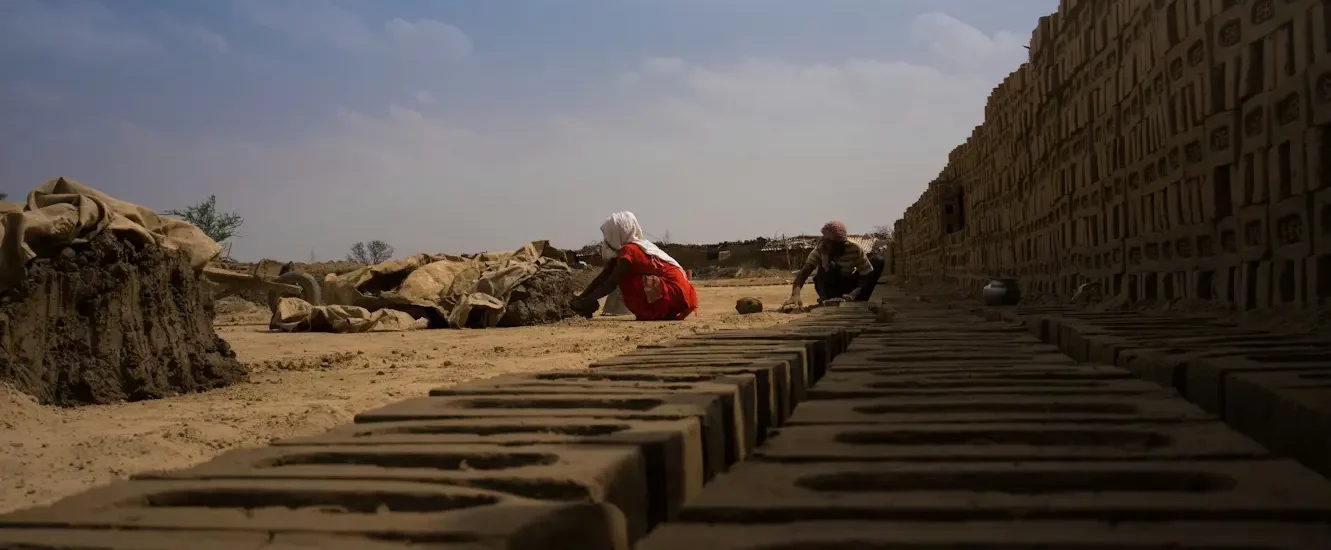
- Burnt clay bricks
- Stone masonry
- Locally sourced aggregates
- Fly ash blended cement
Durable materials reduce frequent repairs and long-term maintenance expenses.
3. Energy-Efficient Electrical & Lighting Systems
Energy efficiency offers one of the quickest returns on investment.
Effective measures include:
- LED lighting systems
- Energy-efficient appliances
- Smart switches and timers
Although the initial cost may be slightly higher, reduced electricity bills ensure fast payback.
4. Solar Energy Integration
Solar energy is increasingly practical and affordable in Nepal.
Benefits include:
- Reduced dependency on grid electricity
- Lower monthly power bills
- Reliable backup during power cuts
Proper structural planning ensures solar systems remain safe and effective over the long term.
5. Rainwater Harvesting & Water Management
Rainwater harvesting is a low-cost, high-impact sustainable solution.
Advantages:
- Reduced water bills
- Backup water supply during shortages
- Lower dependency on municipal water systems
These systems are simple, low-maintenance, and economically beneficial.
6. NBC-Compliant Structural Design & Material Optimization
True sustainability means building correctly from the start.
NBC-compliant design ensures:
- Optimized use of steel and concrete
- Earthquake-resistant structures
- Reduced repair and retrofitting costs
Safe, code-compliant buildings offer better durability and long-term savings.
7. Quality Construction & Professional Supervision
Poor workmanship leads to costly repairs. Sustainable construction emphasizes quality execution.
Key elements include:
- Professional site supervision
- Proper curing and construction practices
- Regular material testing
Quality construction increases building lifespan and minimizes future expenses.
Conclusion
Sustainable construction in Nepal is not about expensive materials—it is about smart planning, efficient resource use, and professional execution. Buildings designed and constructed sustainably offer lower energy costs, reduced maintenance, and higher long-term value.
Investing in sustainable construction today ensures financial savings, environmental responsibility, and structural safety for the future.